
Wicklow Countryside Rambles
Explore the mountains and forests of County Wicklow. Discover trails through Glendalough, Powerscourt, and remote valley walks that showcase Ireland's natural beauty.
Why Wicklow Matters for Walkers
Wicklow isn't just another walking destination. It's where the Irish mountains actually feel substantial. You've got elevation, proper forests, and valleys that stretch out for miles. Most people stick to the obvious spots, but that's where the real exploration starts.
The region spans roughly 2,000 square kilometers of varied terrain. You'll find everything from gentle forest paths to challenging ridge walks that'll test your fitness. Weather changes fast here — that's not a complaint, it's just the reality you need to know about.
What makes Wicklow special is the combination. You get dramatic landscapes without the crowds you'd find in more famous areas. Ancient monastic sites sit alongside modern hiking trails. It's a place where history and nature genuinely overlap.
Glendalough: The Two Lakes Walk
Quick Facts
- Distance: 6 km round trip
- Duration: 2-3 hours
- Elevation gain: 180 meters
- Best season: April to October
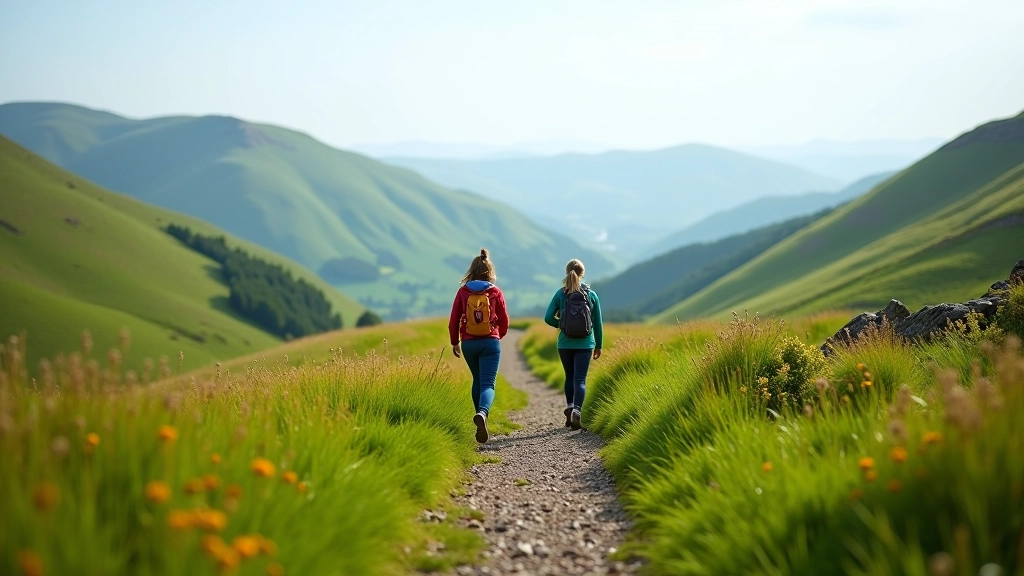
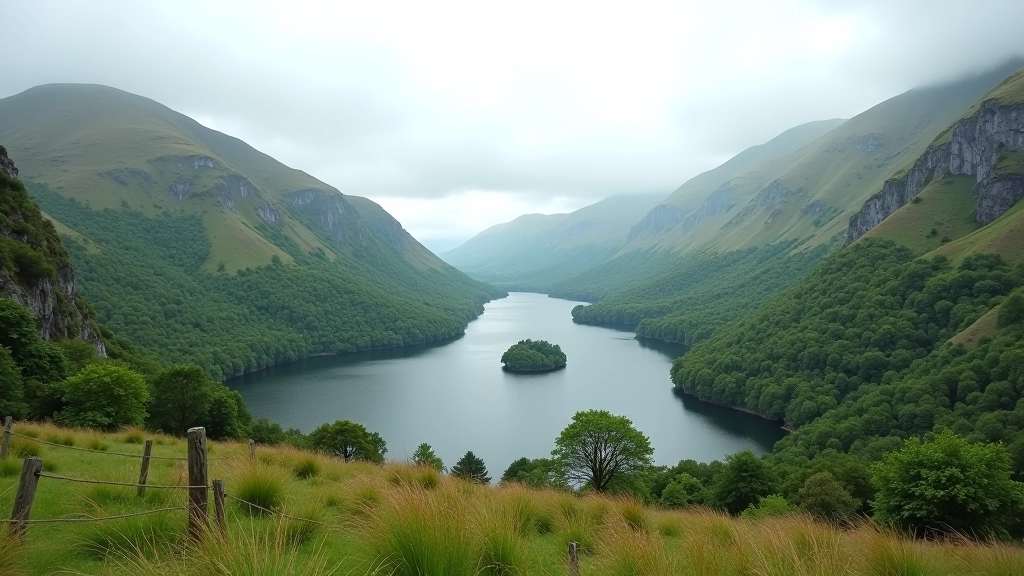
Glendalough is the valley that changed everything. When you first see those two lakes surrounded by steep mountains, you understand why monks chose this spot in the 6th century. The walk itself is straightforward — you're not scrambling over rocks or navigating confusing junctions.
Start at the visitor center car park and head up the valley. The lower lake is your warm-up. From there, you'll push on to the upper lake through dense forest. The path gets narrower and the forest closes in around you. That's when it gets interesting.
The ascent to the upper lake involves some proper climbing, but it's never technical. Your legs will know about it though. Once you reach the top, the view back down the valley makes every step worth it. We're talking about a genuine mountain experience that's accessible to most fitness levels.
Powerscourt Waterfall Loop
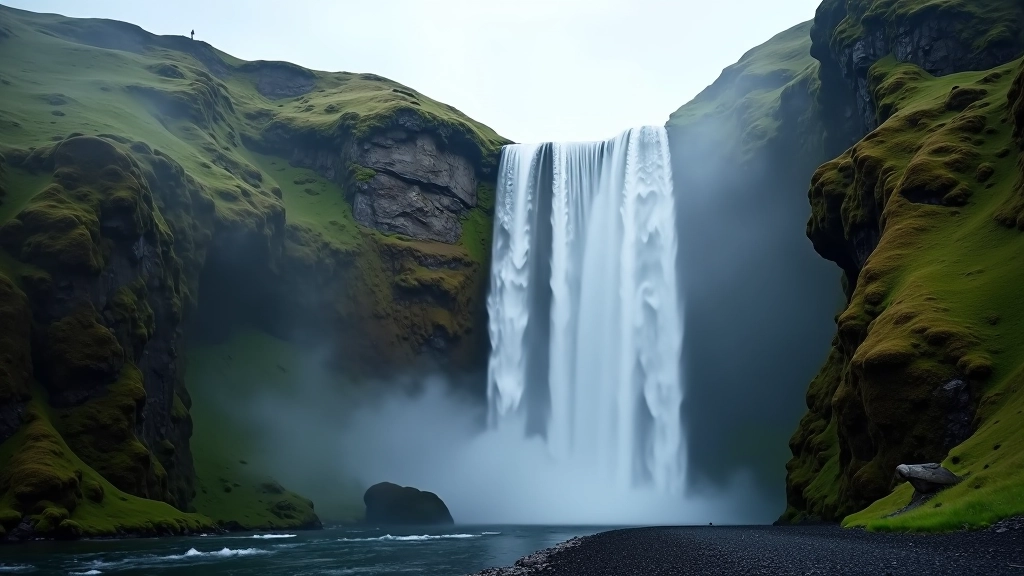
If Glendalough is dramatic, Powerscourt is majestic. The waterfall here is Ireland's highest at 130 meters. You're not just walking — you're witnessing genuine power. The spray reaches you from 50 meters away when water levels are high.
Waterfall Loop Route
The standard walk covers 4.5 km and takes roughly 90 minutes. You'll start through open moorland — this exposes you to wind, so dress in layers. The path descends gradually toward the waterfall. In summer, the moorland turns purple with heather. It's not a dramatic color but it changes the whole atmosphere of the walk.
The terrain transitions from open ground to forest as you approach the falls. The final stretch gets steeper and rockier. Ankle support matters here. Don't underestimate how slippery these paths get after rain — Wicklow gets wet, and the moss grows thick on everything.
Remote Valley Walks: Beyond the Crowds
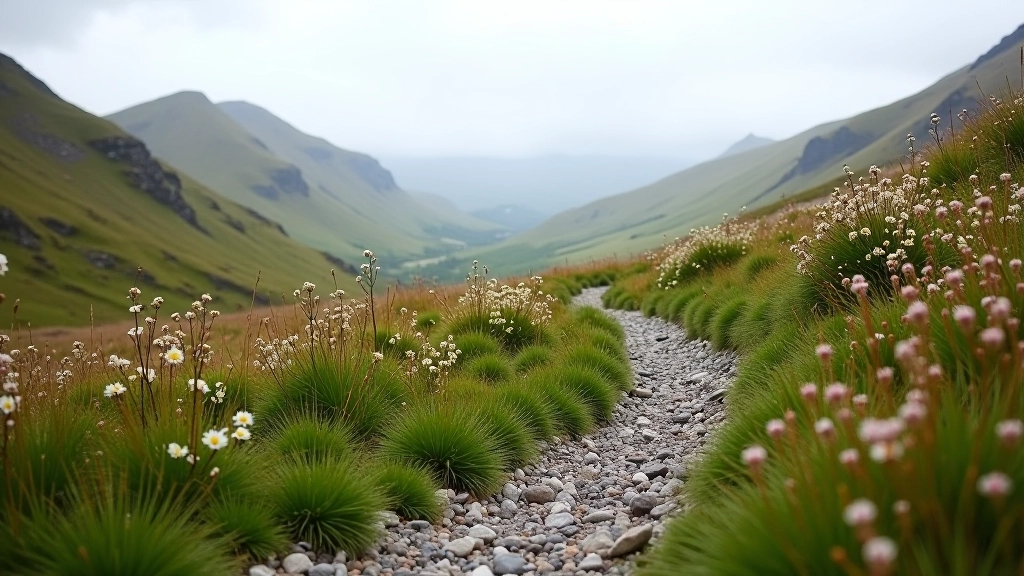
Here's where it gets interesting. The valleys most people miss are genuinely special. Glenveagh, Glenmacnass, and the smaller valleys around Roundwood offer solitude that's increasingly rare. You might walk for hours and see three other people. Maybe none.
These walks aren't technically harder than the famous routes. They're just less promoted. That matters because it changes the experience entirely. When you're not sharing a trail with 200 others, the mountains feel different. The sounds change — you hear the water, the wind, your own breathing.
Navigation
Download offline maps before you go. Signal drops regularly in the valleys. Mark your route in advance — don't rely on finding your way on the day.
Weather Prep
Conditions shift fast in mountains. Bring a waterproof jacket even on sunny days. Temperature drops 1 degree for every 100 meters of elevation — plan accordingly.
Footwear
Waterproof hiking boots aren't optional here. The ground stays wet. Good ankle support prevents injury on rocky sections. Break in new boots before attempting serious routes.
Essentials
Carry water, snacks, and a first aid kit. Phone battery matters — these walks can take longer than expected. A basic emergency whistle weighs nothing but could be crucial.
Getting There and Planning Your Visit
Wicklow is accessible from Dublin — roughly 45 minutes to Glendalough, an hour to Powerscourt. Most walkers drive to trailheads. Public transport exists but schedules don't match walking times well. You'll want a car or ride-share for proper flexibility.
Visitor facilities vary. Glendalough has a proper visitor center, café, and parking. Powerscourt has parking and basic facilities. Remote valleys often have nothing — plan accordingly. Bring snacks and water for full-day walks.
Spring and autumn are genuinely better seasons than summer. June through August brings crowds and midges. April, May, September, and October offer clearer trails and better weather patterns. Winter walks are possible but require extra caution — paths get icy, daylight hours are short, and rescue services take longer to reach remote areas.
Explore More Walking Routes


Important Notice
The information provided in this article is for educational purposes only. Walking routes, trail conditions, and weather patterns change seasonally and can vary significantly. Always check current conditions before heading out, bring proper equipment, and follow established safety guidelines. Mountain terrain carries inherent risks including slips, falls, and exposure. Weather in Irish mountains changes rapidly — what's clear in the morning can be dangerous by afternoon. Carry navigation tools, inform someone of your route, and turn back if conditions deteriorate. This guide represents general information based on typical conditions; individual circumstances may differ significantly.
Start Exploring Wicklow
Wicklow rewards preparation and patience. These trails aren't secrets — they're genuine experiences that feel different from mainstream tourism. Whether you're tackling Glendalough, chasing Powerscourt's waterfall, or exploring remote valleys, you're walking through landscapes that have shaped Irish history and culture.
The mountains won't wait. Conditions change, seasons shift, and opportunities fade. Pick a route, prepare properly, and go. You'll understand why people return to these trails year after year.
Need more information about Irish walking routes?
Browse All Routes