

Dublin City Walking Routes
Navigate Dublin's historic neighborhoods on foot. Discover Temple Bar, Georgian squares, and riverside walks through Ireland's capital city.
Walking Dublin's Living History
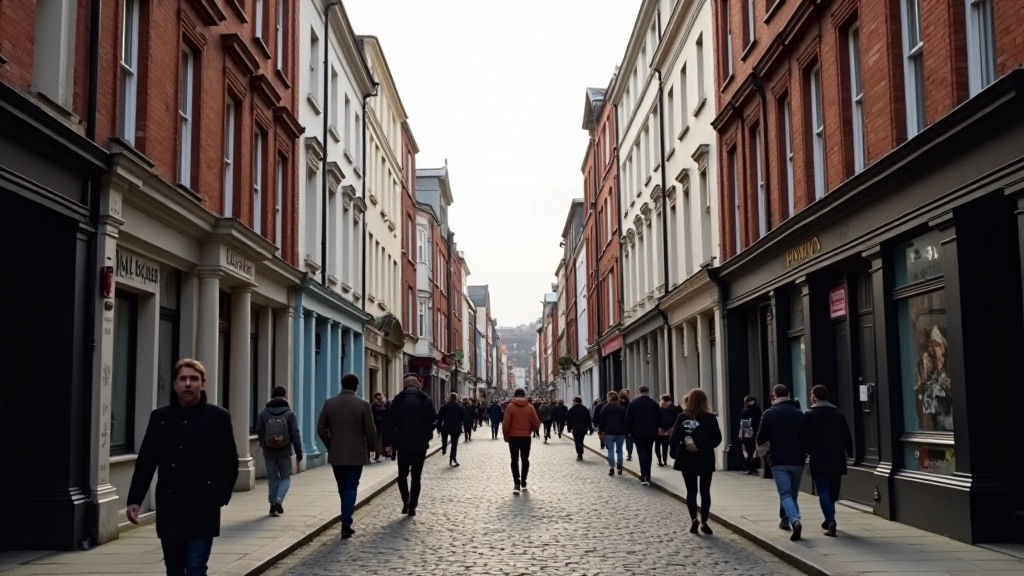
Dublin rewards walkers. The city's compact center means you can wander from medieval streets to Georgian townhouses in an afternoon. You'll spot literary plaques, hidden courtyards, and riverside paths that locals actually use.
What makes Dublin special isn't just the architecture — it's how the city tells its story through layers. Viking foundations sit beneath medieval streets. Eighteenth-century elegance frames twenty-first-century cafes. And the people? They'll chat with you at bus stops and point you toward the best pubs without being asked.
Georgian Squares: Elegance and Stories
If Temple Bar's the heart, Georgian Dublin is the brain. Merrion Square and Fitzwilliam Square show you Dublin at its most refined — but they're not stuffy. Writers lived here. Revolutionaries planned here. The plaques on the doors tell centuries of Irish achievement.
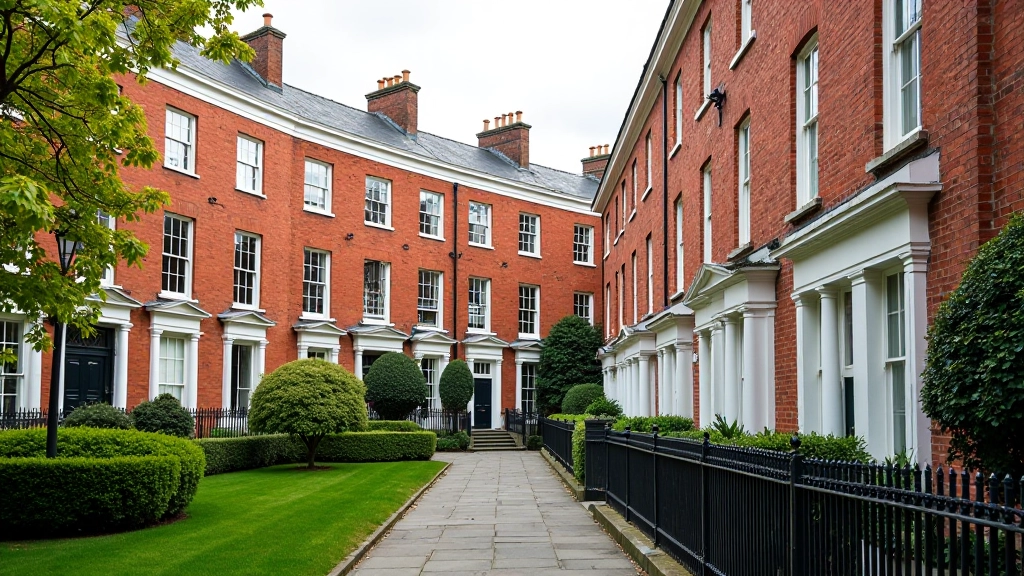
The Georgian era in Dublin ran from roughly 1700 to 1800. That century created the most coherent architectural identity the city has. These squares were status symbols — living on Merrion Square meant you'd arrived.
Walk around the perimeter. Look at the doors — they're color-coded by what the residents did. Green doors meant doctors. Black doors were lawyers. It's a city directory in architecture. Oscar Wilde grew up at 1 Merrion Square. William Butler Yeats lived at number 52. Sean O'Casey lived nearby.
You can actually enter some of these townhouses now — the Merrion Hotel occupies several, and the National Gallery faces the square. The scale of the rooms will surprise you. Ceilings soar to 3.5 meters. Windows are enormous. Architects weren't shy about space.
The Liffey Quays: Where Dublin Moves
The Liffey isn't just a river — it's Dublin's main street. The quays have been redeveloped dramatically over the past 15 years. You'll walk alongside restaurants, galleries, and the modern side of Dublin that exists alongside the historic one.
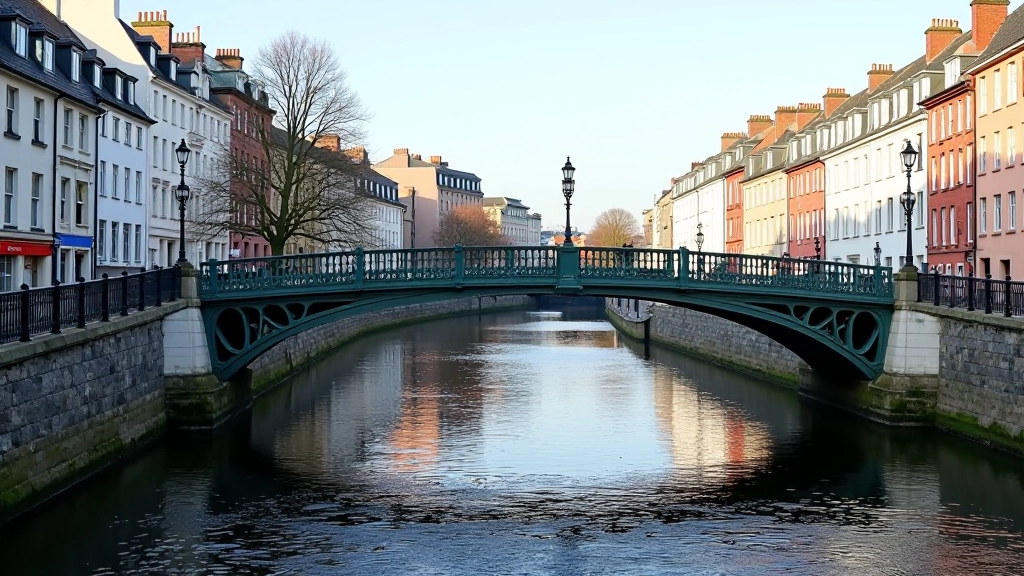
Start at the Ha'penny Bridge — the cast-iron pedestrian bridge that's been carrying Dubliners across the river since 1816. It's narrow and iconic and completely unremarkable once you're on it, which is why locals love it. Tourists take photos. Locals just walk across.
Head east along the north quay. You'll pass the Custom House — an 18th-century neoclassical building that took 10 years to complete and caused riots because it displaced traders. Continue past the IFSC (International Financial Services Centre), which looks futuristic and glass and entirely at odds with the medieval city, but that contrast is actually Dublin in 2026.
The south quays have Temple Bar on the west end and Georgian elegance on the east. It's a 3-kilometer walk end to end. You could do it in an hour if you're brisk, or spend half a day stopping at riverside cafes and bookshops.
Practical Walking Tips
Footwear Matters
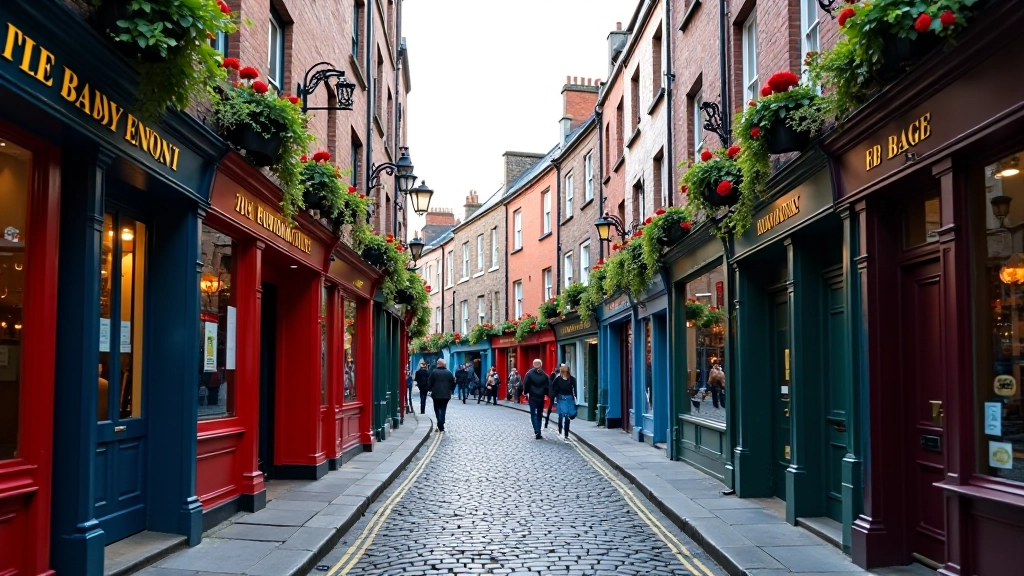
Dublin's pavements are mostly smooth, but Temple Bar's cobbles are uneven. Wear shoes with decent grip. You'll be walking on stone for hours, not tarmac.
Weather is Irish
It'll rain. Not always, but probably. A compact rain jacket that fits in your bag is smarter than an umbrella — you need your hands for stopping at pubs and taking photos.
Timing Your Walk
Early mornings (before 10am) mean you'll have Temple Bar to yourself. Weekday afternoons work well. Weekends are packed with visitors — it's still worthwhile, but noisier.
Maps Aren't Essential
Dublin city center is roughly 2 kilometers across. Getting lost is nearly impossible because you'll hit the Liffey, a major street, or someone who'll point you right.
Photography Spots
The Ha'penny Bridge is obvious but actually photogenic. Try the corners of Georgian squares at golden hour. Graffiti Lane has Instagram appeal if that's your thing.
Refueling Points
Coffee shops are everywhere. Real pubs serve food at lunch (12-3pm). Don't expect sit-down dinner in Temple Bar unless you book ahead or want to pay premium prices.
Explore More Walking Routes

Important Information
This article provides educational information about walking routes in Dublin for informational purposes only. Conditions, accessibility, and safety vary depending on weather, time of year, and personal fitness levels. Always check current local conditions before heading out, wear appropriate footwear, and stay alert to traffic and other hazards. Dublin's weather can change rapidly — bring suitable clothing regardless of the forecast. The information provided here reflects conditions as of April 2026 but may change. For real-time updates on specific routes, consult local tourism resources or the Dublin City Council website.

Start Walking Dublin Tomorrow
Dublin rewards walkers because the city was built for walking. Before cars, before buses, Dubliners got around on foot. That human scale remains — you can cover significant ground and see everything from Viking foundations to modern galleries in a single afternoon.
You don't need special training. You don't need expensive gear. You need comfortable shoes and curiosity. The city will tell you its stories if you walk slowly enough to listen.
And if you get tired, there's a pub every 50 meters. That's not a problem in Dublin — that's a feature.