
Coastal Footpath Adventures
Walk Ireland's stunning coastlines. Find routes along dramatic cliffs, sandy beaches, and rocky coves with ocean vistas that stretch for miles.
Where Ocean Meets Land
Ireland's coastline isn't just beautiful — it's transformative. You'll discover pathways carved by centuries of wind and waves, where each turn reveals something new. The Atlantic crashes below while seabirds circle overhead. It's not just walking; it's immersion.
We've spent years exploring these routes. The routes we're sharing aren't the crowded Instagram spots. They're the places where you'll actually feel the sea air, where you're more likely to encounter a curious seal than a tour group.
The Classic Clare Routes
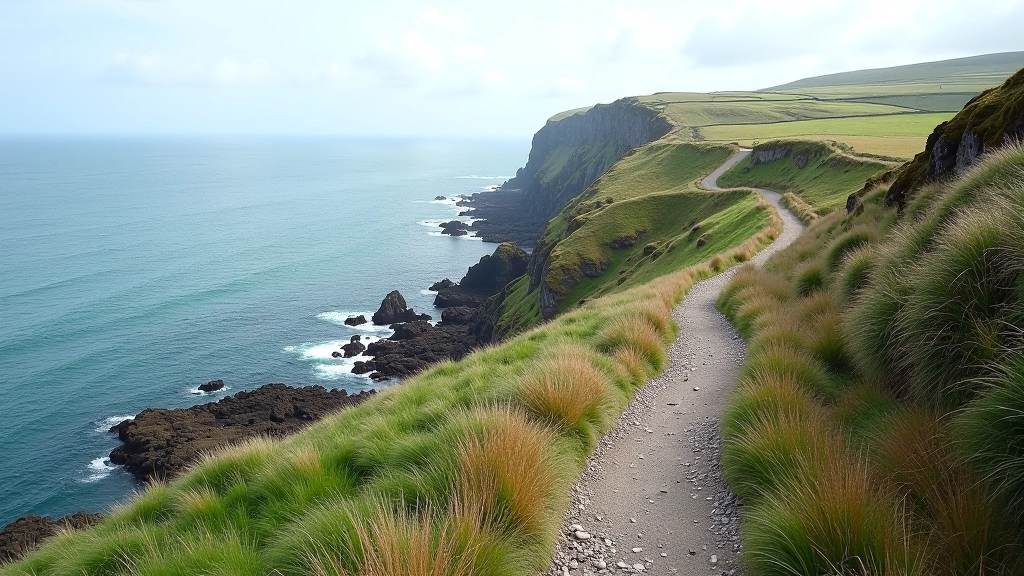
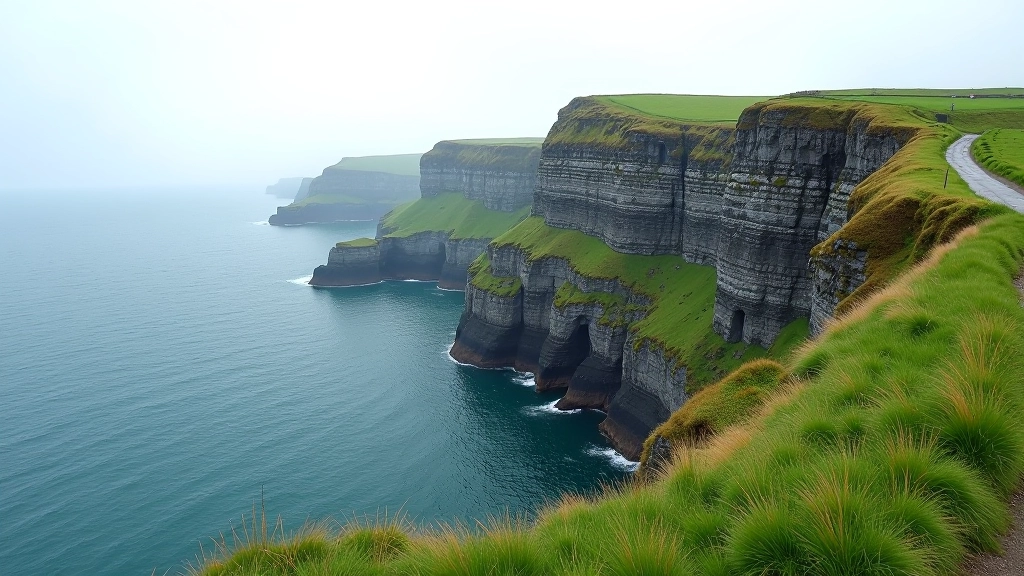
The Doolin to Fisherstreet walk covers roughly 8 kilometers along some of Ireland's most dramatic limestone cliffs. You're walking on actual stone that drops 700+ meters straight down. Not for everyone, but absolutely worth it if you've got a decent head for heights.
Most people start early morning. By midday, you'll have the place mostly to yourself. The light's different then — softer, more golden. You'll spot the Aran Islands clearly on good days, and on rare clear afternoons, you can see all the way to Galway Bay.
The actual path is well-maintained. Proper stone steps in the steep sections. It's not scrambling or technical climbing. Solid boots matter though — the limestone gets slippery when wet, and you're genuinely exposed to wind. We're talking gusts that'll push you sideways if you're not careful.
The Dingle Way: Coastal Sections
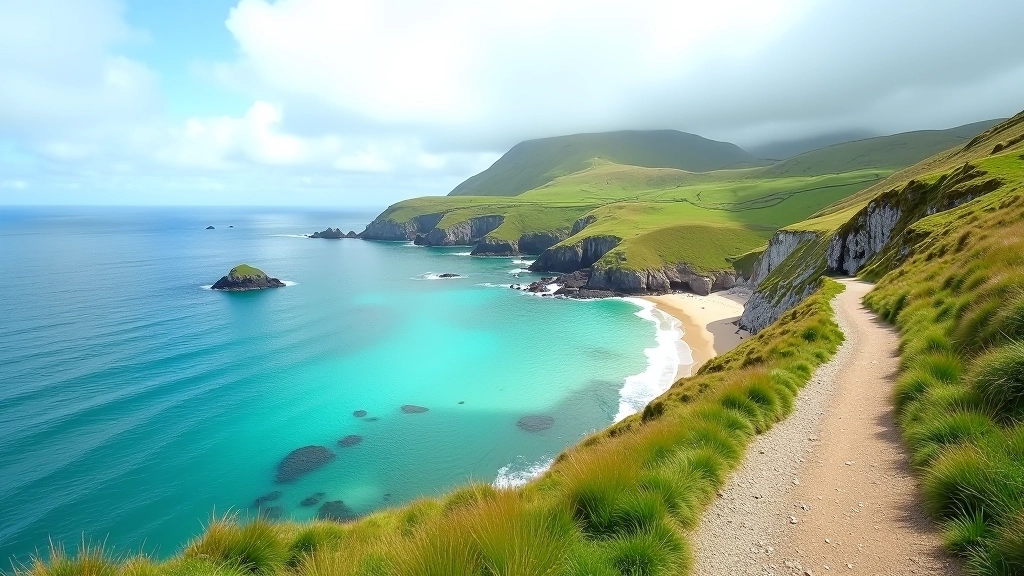
Not everyone hikes the entire Dingle Way (it's 160 kilometers), but the coastal sections are where the real magic happens. Slea Head to Dunmore Head is roughly 12 kilometers of pure Atlantic drama.
You'll walk past ancient stone forts. Not tourist reconstructions — actual medieval ruins that locals have walked past for centuries. There's something about standing on a cliff edge at a 1,000-year-old fort while watching storms roll in across open ocean. It shifts your perspective.
The weather here changes every 20 minutes. You'll start in sunshine, hit fog, emerge into clear skies again. Pack layers. Waterproof jacket isn't optional. But that unpredictability? That's what makes it feel real, not sanitized.


Planning Your Coastal Walk
What You Actually Need
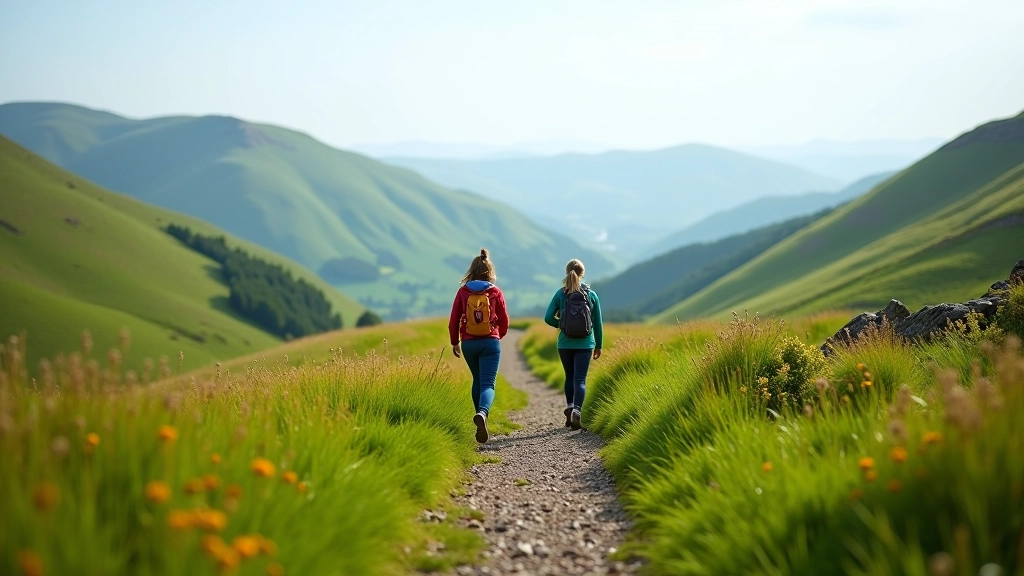
Boots with good grip. Not fancy hiking boots necessarily, but something with real traction. You're walking on wet stone, loose gravel, and uneven terrain. Trainers won't cut it. Waterproof jacket — not a rain poncho, an actual jacket that seals. Gloves in winter, even if it doesn't look cold. Wind chill along the coast is brutal.
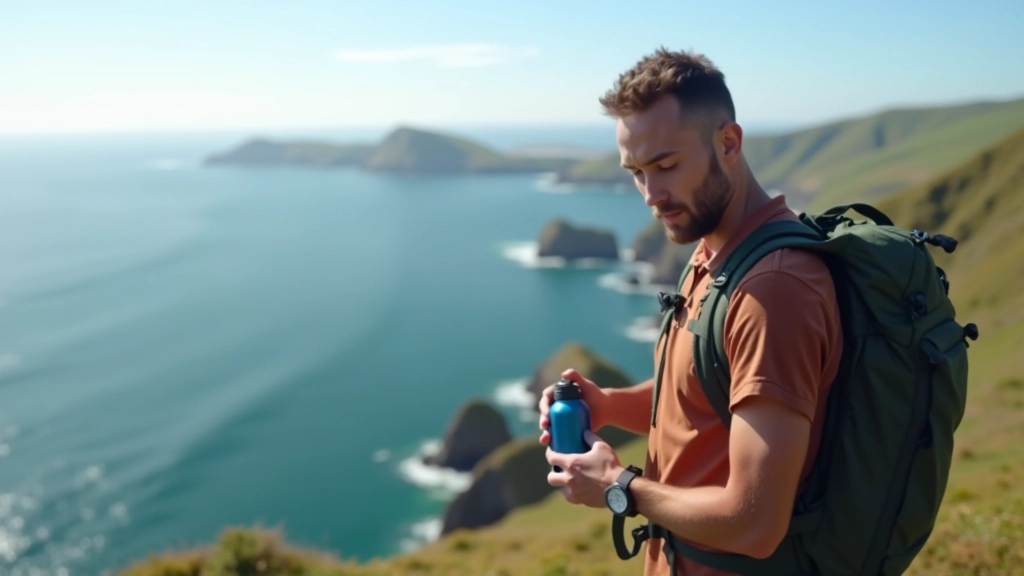
Water and snacks matter more than you'd think. You're exposed out there. There's no ducking into a café every 20 minutes like on urban walks. Bring 2 liters of water minimum. Trail mix, energy bars, fruit. You'll burn calories faster than you expect.
Safety Matters
Tell someone where you're going and when you'll be back. Seriously. These cliffs don't forgive mistakes. Check weather before you go. If it's forecast to be very windy, consider rescheduling. Wind on exposed cliffs isn't just uncomfortable — it's genuinely dangerous.
Important Notice
The information provided here is educational and intended to help you understand Irish coastal walking routes. Conditions vary based on weather, season, and recent changes to trails. Always check current conditions with local tourism offices before setting out. Coastal walks involve genuine exposure and risk — assess your own fitness level and experience honestly. If you're unfamiliar with hillwalking, consider hiring a local guide for your first time. Weather on the Irish coast changes rapidly and without warning. Proper equipment isn't optional — it's essential.
Why These Routes Matter
Ireland's coastal paths aren't just scenic. They're portals to understanding the country's actual history. You're walking where people have walked for thousands of years. The routes follow ancient migration paths, connect old forts and settlements, pass through landscapes that shaped Irish culture.
And honestly? You'll feel different after walking them. There's something about spending 5-7 hours on a cliff edge, with nothing between you and the Atlantic except wind and light, that recalibrates your sense of scale. Your problems feel smaller. Your perspective shifts. That's not poetic exaggeration — that's just what happens when you spend time in genuinely wild places.
Start with the routes that match your fitness level. Go early in the season to learn the paths. Build up to the more exposed sections. And always, always respect what the ocean and weather are doing. When you do that, you'll discover some of the most rewarding walks available anywhere.